The classroom note
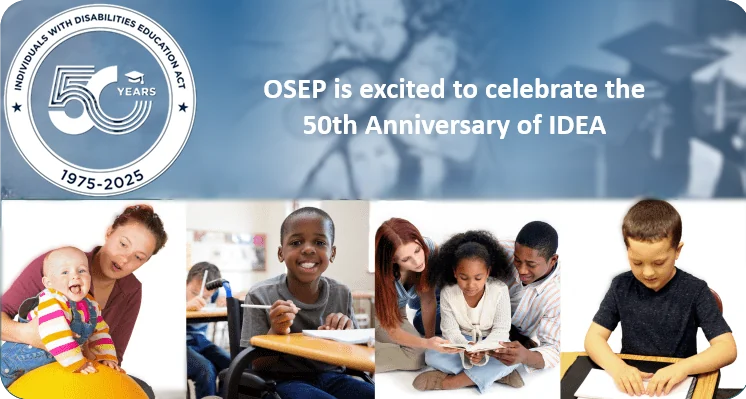
A parent hears that a reading app ‘reads text aloud with AI’ and wonders whether it can simply replace the human reader written into their child's plan. The question sits inside a legal structure that predates any of these products: in the United States, the Individuals with Disabilities Education Act guarantees a free appropriate public education and related services through an individualised plan, and in England the same territory is covered by the statutory SEND Code of Practice, which governs education, health and care plans for children and young people aged 0 to 25. Neither framework was written with generative AI in view, which is exactly why a new tool has to be fitted into an old process rather than treated as a shortcut around it.
What the evidence says
What these two sources establish is process, not product evaluation: IDEA's own overview describes a right to services delivered through the mechanism U.S. readers know as an individualised education program, while the SEND Code of Practice is statutory guidance under the Children and Families Act 2014, addressed to schools, colleges, early years providers, local authorities and health bodies, and to the tribunal that hears disputes about it. A search of the IDEA site for AI-specific guidance did not surface results, so a family or school asking whether a specific chatbot or reading tool satisfies either framework is, at present, applying general accommodation law to a technology neither text names.
The implementation question
Both frameworks share a mechanism worth translating into plain terms: an accommodation is not a purchase, it is a documented decision, reached with the family, tied to an assessed need, and subject to review. That means introducing an AI reading tool, writing aid or speech tool as an accommodation is not a matter of a teacher enabling a feature; it is a change that, under either system, belongs in the individualised plan itself, with someone accountable for checking that the tool actually addresses the need identified rather than a nearby one a vendor markets it for.
What holds and what fails
What holds is the principle neither source disputes: a plan tied to an assessed need does not become void because the tool changed. What fails, as an editorial matter, is treating ‘AI-powered’ as a category that already carries evidence of suitability for a specific disability; neither source offers that evidence, because neither addresses the technology, and a decision to substitute an AI tool for a previously agreed accommodation is a new decision, not a continuation of the old one.
- Is the new AI tool named in the plan, or added informally without updating it?
- Does the tool address the need the plan describes, or a different one it happens to also do?
- Who reviews whether it is working, and on what timetable?
A plan written before generative AI existed still governs how a family and a school introduce it; the technology changes, the obligation to document, assess and review does not.
Sources & reading trail
Overview of IDEA's guarantee of a free appropriate public education and individualised services, and absence of AI-specific results on the site.
Source published: Not established · Retrieved: 16 September 2026
Statutory basis and scope of England's education, health and care plan process under the Children and Families Act 2014.
Source published: Not established · Retrieved: 16 September 2026
Departments, studies and vendor documents establish the record; the implementation reading and the boundary are School AI Atlas editorial analysis. This retrospective draft does not imply the site published on the event date.